
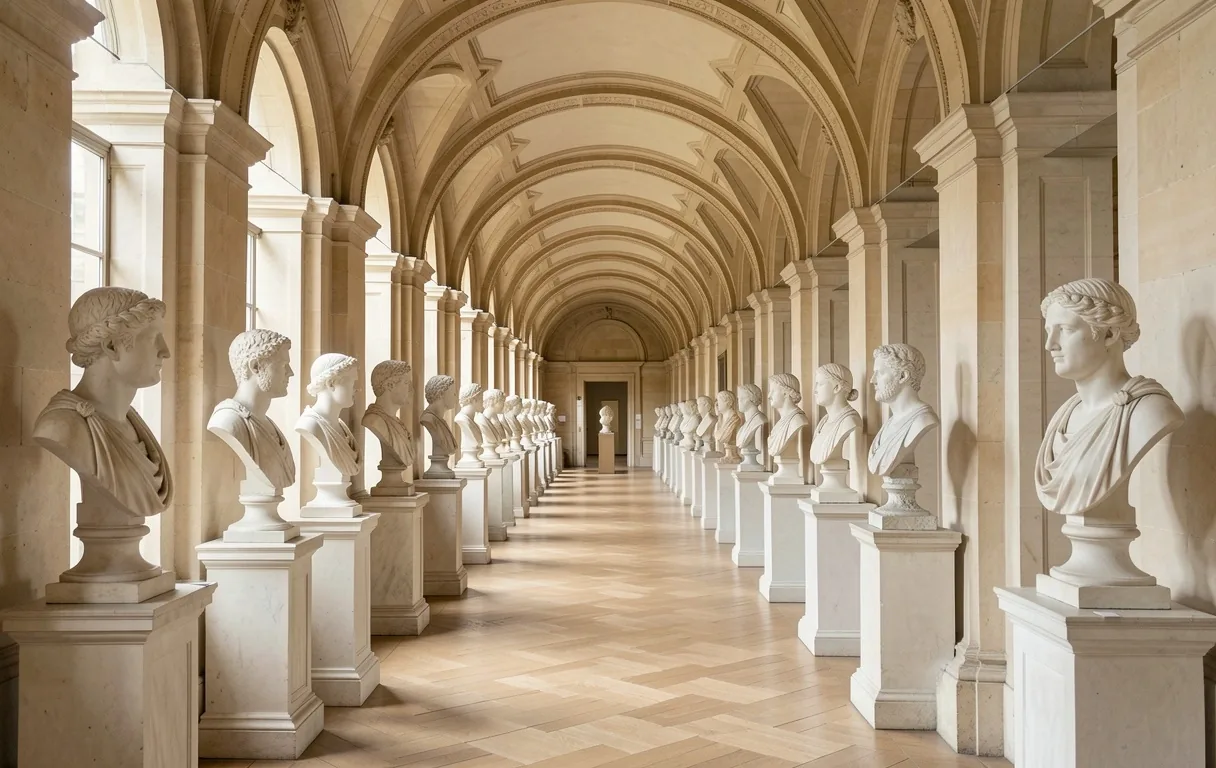
The Art of the Visite: Museum Etiquette & Essential Tips
A curated briefing on cultural norms, security protocols, and operational wisdom for navigating France's premier heritage institutions.
What this Folio Covers
Navigating a French museum is more than a walk through a building; it is a ritual of respect. This guide prepares you for the logistical realities of high-traffic cultural monuments, ensuring your focus remains on the artifacts rather than the administrative hurdles.
Entry & Logistics
Understanding the digital time-slots, Paris Museum Pass priority, and the specific rhythm of the 'Vigipirate' security measures currently active across all national sites.
Visual Records
Clear distinctions between permanent collections and rotating exhibitions regarding flash photography, professional sketching, and commercial videography rights.
Environmental Norms
The unspoken 'Reading Room' volume levels, student group management, and the expectations for physical distance from fragile oil canvases and limestone sculptures.
Accessibility
Notes on historic elevator locations, wheelchair loaner services at institutions like the Louvre, and sensory-friendly viewing hours for quiet contemplation.
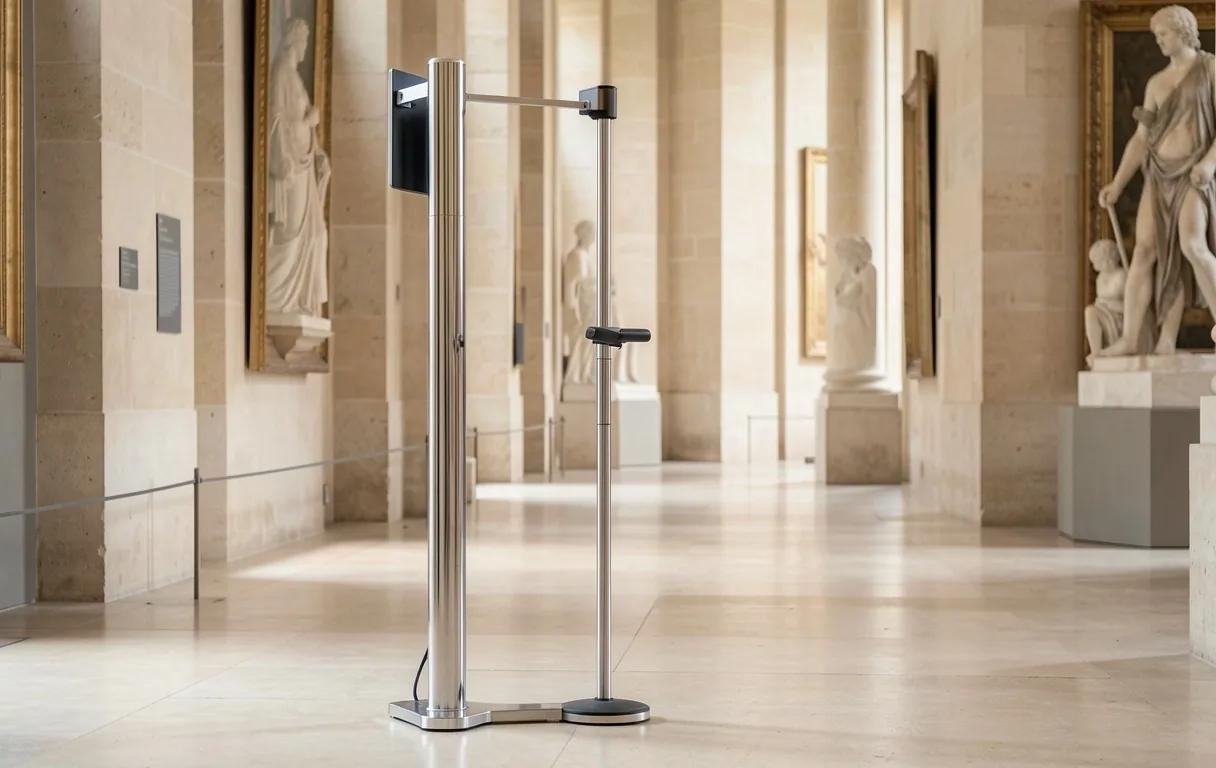
Vigipirate: Security Expectations
Security at French museums is rigorous and mandatory. Expect airport-style screenings including metal detectors and x-ray baggage checks. This process applies to all ticket holders, including those with priority passes.
- Baggage Limits: Large suitcases and backpacks exceeding 55x35x20cm are strictly prohibited and cannot be stored in cloakrooms.
- Cloakrooms: Small bags, umbrellas, and coats may be checked for free. We recommend using them to prevent accidental contact with artifacts.
- Restricted Items: Sharp objects, aerosols, and glass bottles are confiscated. Sealed water bottles are generally allowed in a bag.
The Unspoken Archive Code
French institutions operate as shared scholarly spaces. Respecting the 'Library Metaphor' ensures a premium experience for every visitor.
Conversations should be hushed. Mobile phones must be set to silent. The use of speakerphones for any reason is grounds for removal by security staff.
A minimum distance of one meter from all works is expected. Touching any artifact, even base frames or sculpture plinths, is strictly forbidden and monitored by laser sensors.
Pencil sketching is encouraged in permanent collections. However, charcoal, pastels, and watercolors require written authorization from the museum administration.
Capturing the Heritage
Photography rules in France have shifted toward semi-open access, but significant restrictions remain to protect light-sensitive pigments and ensure visitor flow.
In most permanent galleries, handheld non-flash photography is permitted. However, in temporary exhibitions, photography is frequently prohibited entirely due to individual artist loan agreements. Always check the iconography at the room entrance.
The Flash Ban
Ultraviolet and infrared light from electronic flashes accelerates the degradation of dyes and aging of organic materials. Flash is universally banned across all French national museums.
Tripods & Gear
Tripods, monopods, and stabilizer rigs (gimbals) are treated as professional equipment. Their use is not permitted without prior media accreditation provided by the museum press office.
Navigating the Louvre
The Denon Entrance
The busiest artery of the museum. Leads directly to the Mona Lisa and the Italian Renaissance galleries. Advance booking for a specific half-hour slot is mandatory here.
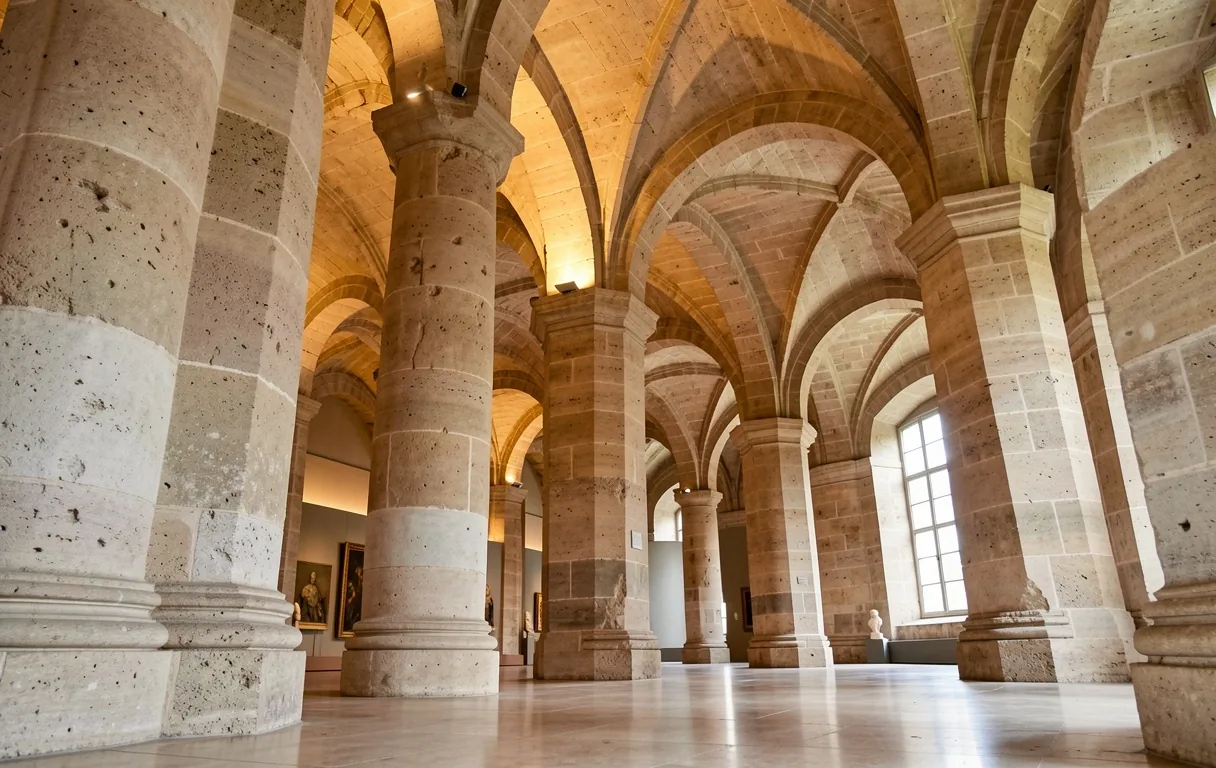
The Richelieu Wing
Home to French sculpture and the Napoleon III Apartments. Generally quieter with excellent natural light. A scholarly retreat within the palace.
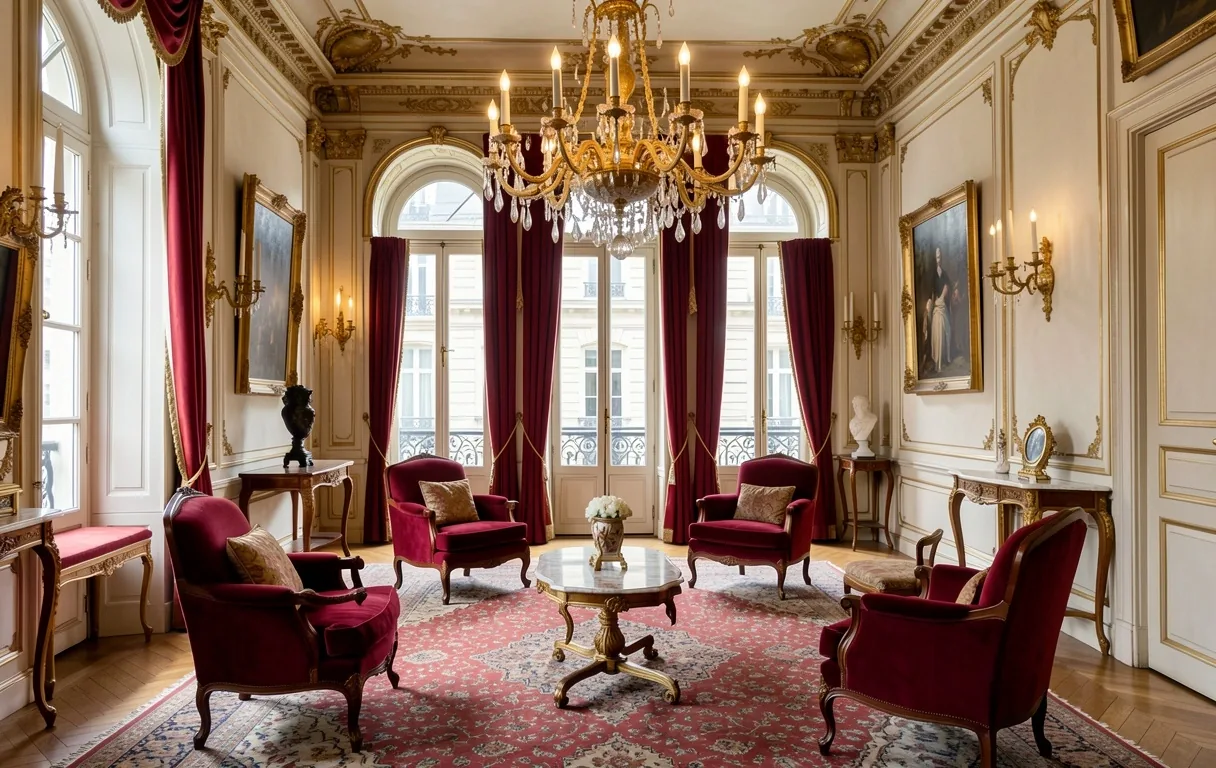
The Sully Pavilion
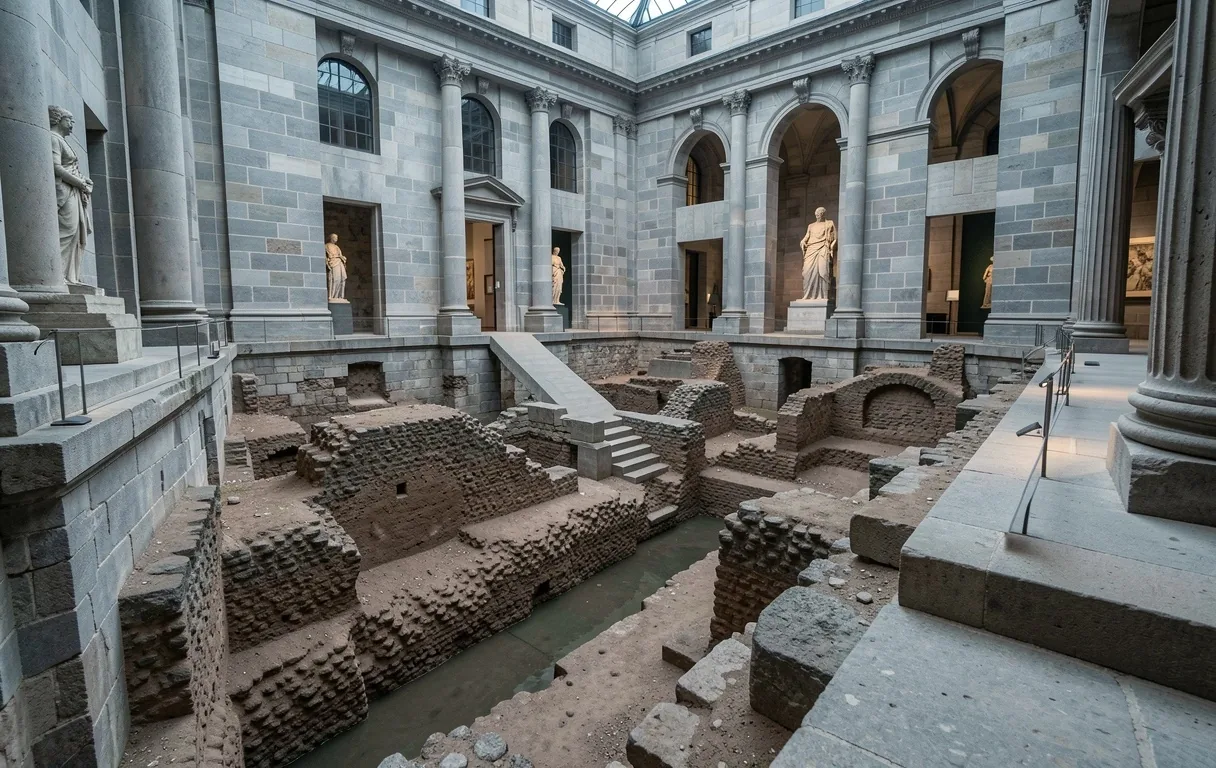
The gateway to the Medieval Louvre foundations. Essential for understanding the history of the fortress before it became a royal residence and museum.
Clarifications & Queries
Common visitor curiosities answered by our editorial team.
Yes, all major national institutions like the Louvre, Orsay, and Pompidou provide comprehensive English placard descriptions and audio guides. In regional museums, the depth of English translation may vary, but core historical contexts are always available.
Many French museums offer free entry on the first Sunday of each month. While budget-friendly, these days are exceptionally crowded. We recommend advanced reservation even for free days to guarantee entry.
There is no formal dress code, but comfort is vital. You will likely walk several kilometers in a single visit to major sites. Respectful casual attire is the norm; beachwear or overly revealing clothing may be discouraged at security points.
Editorial Integrity
Our team of cultural advisors visits venues anonymously to verify current visitor conditions, security protocols, and gallery maintenance. Our advice remains independent of museum PR departments, ensuring an accurate and scholarly representation of the French museum experience.
Ready to curate your journey?
Cross-reference our institutional ratings with official schedules for a seamless immersion into French heritage.
"A visit becomes an enlightenment only when the logistical world disappears."