
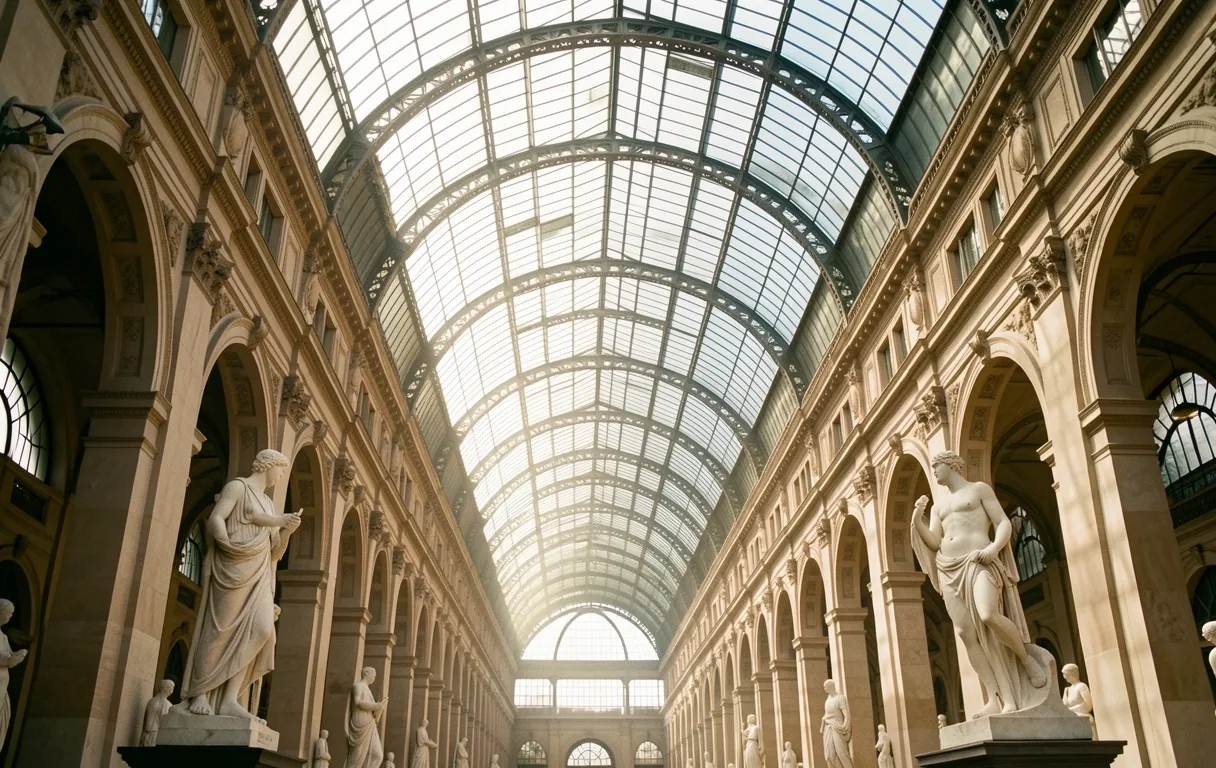
The Light of Impressionism
From a terminal of steam and iron to the world's premier sanctuary for 19th-century mastery—exploring the Musée d'Orsay.
A Station of Transcendence
For nearly four decades, the Gare d'Orsay served as a bustling gateway for the Paris-Orléans railway. Completed for the 1900 Universal Exhibition, its monumental Beaux-Arts facade masked an innovative iron frame that would eventually prove unsuitable for modern, longer trains.
Saved from demolition in the 1970s, the structure underwent a radical metamorphosis. Today, the platform tracks have been replaced by stone-clad terraces, creating a vertical landscape where the evolution of Western art—from the romanticism of the 1840s to the dawn of Fauvism—is cataloged with archival precision.
Editorial Insight
"Observe the gold-leaf carvings in the ballroom—it remains the most preserved interior of the original station, a stark contrast to the modern galleries nearby."
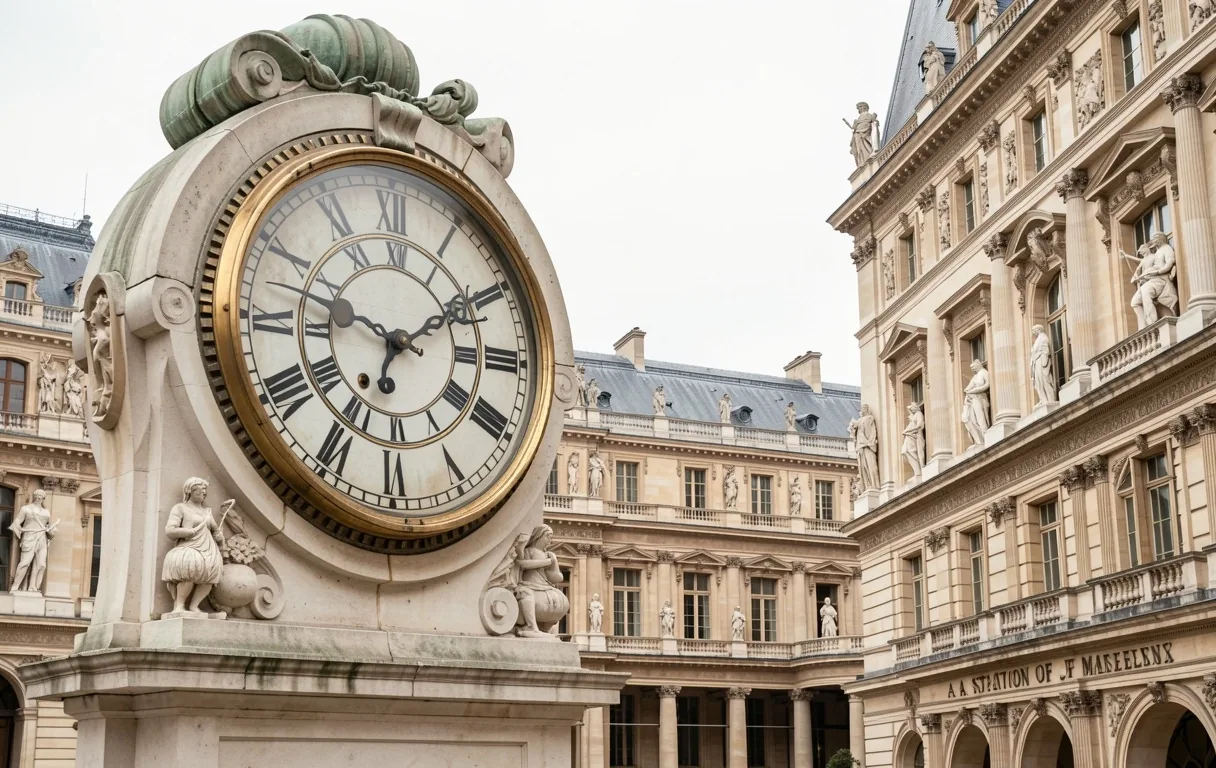
The Impressionist Gallery
The sanctuary of light, hosting the largest collection of 19th-century masterworks in the world.
Claude Monet’s Water Lilies
Before the Orangerie, Monet refined his study of light here. Examine the 'Blue Water Lilies' (1916–1919) to see the bridge between detailed nature and total abstraction.
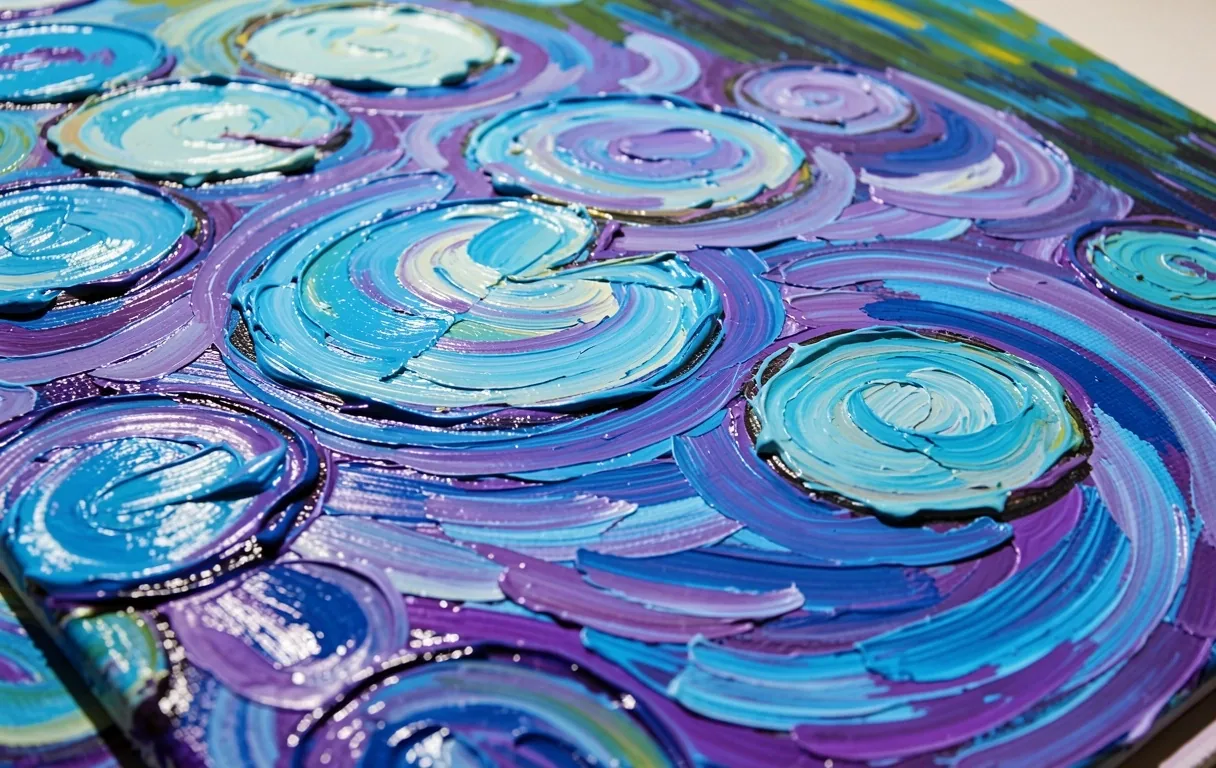
Van Gogh’s Starry Night
Not to be confused with the MoMA version, *Starry Night Over the Rhône* captures the gas lamps of Arles reflecting in the deep blue of the water.
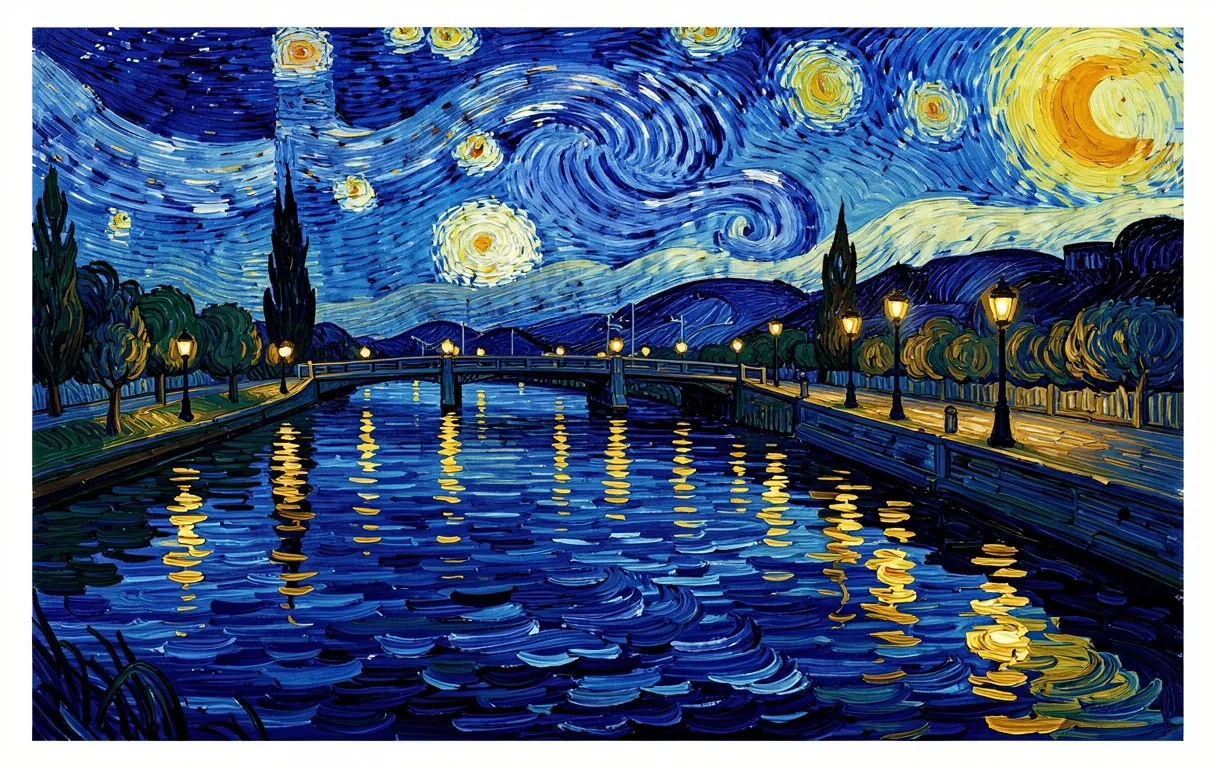
Renoir’s Bal du moulin de la Galette
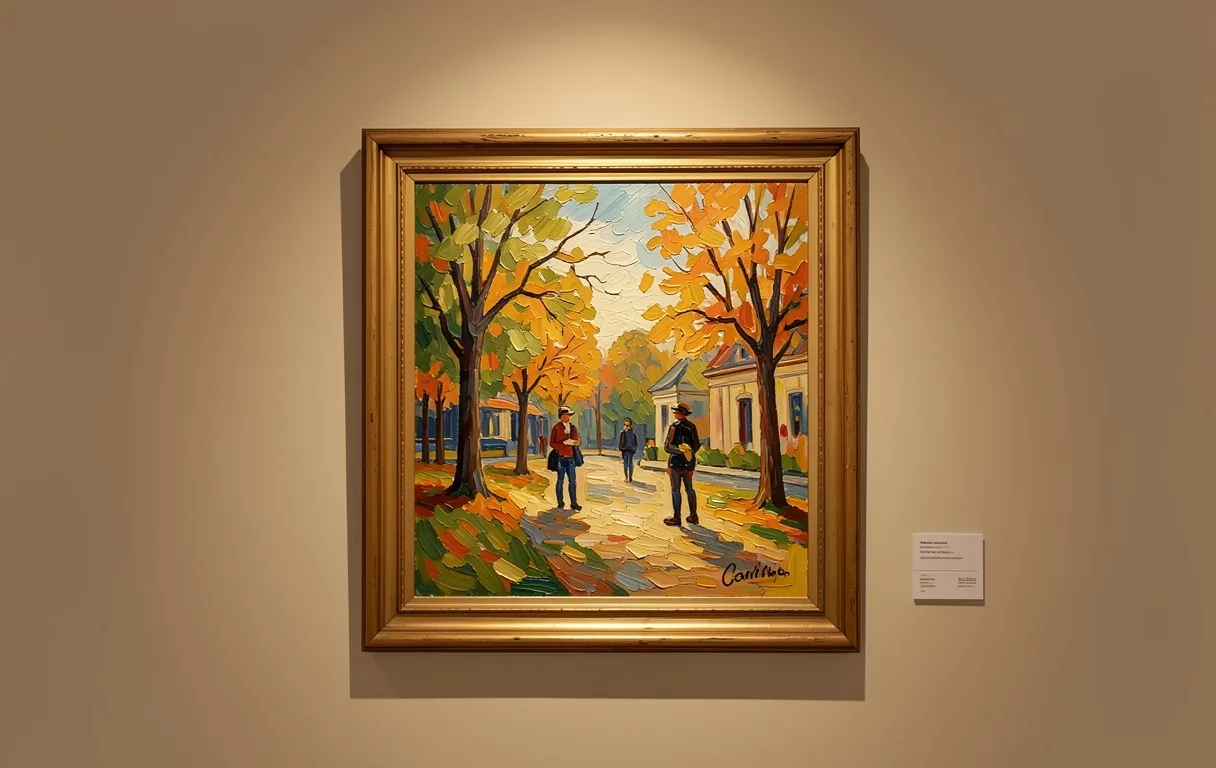
A masterpiece of social observation. Renoir’s ability to capture the dappled sunlight through trees onto the figures below remains unparalleled.
Admission & Logic
Crucial protocols for navigating the archival volumes of Orsay.
| Entry Tier | Cost | Access Scope | Verdict |
|---|---|---|---|
| General Web Ticket | €16.00 | Permanent + Selected Temporary | Best for flexible afternoon visits. |
| Paris Museum Pass | Subject to Pass | Full Access via Special Gate | Highly Recommended Priority. |
| Combined Orangerie | €22.00 | Orsay + Orangerie (Passport) | The essential Impressionist dual. |
Language & Support
Primary placards are bilingual (English/French). However, audio guides (€6) are recommended for deep narrative context on the transition from Gare to Musée.
Peak Density Warning
Thursdays are late-night (until 21:45). Booking for 18:00 on a Thursday offers the most serene experience with 40% less pedestrian traffic.
The Architecture of Industry
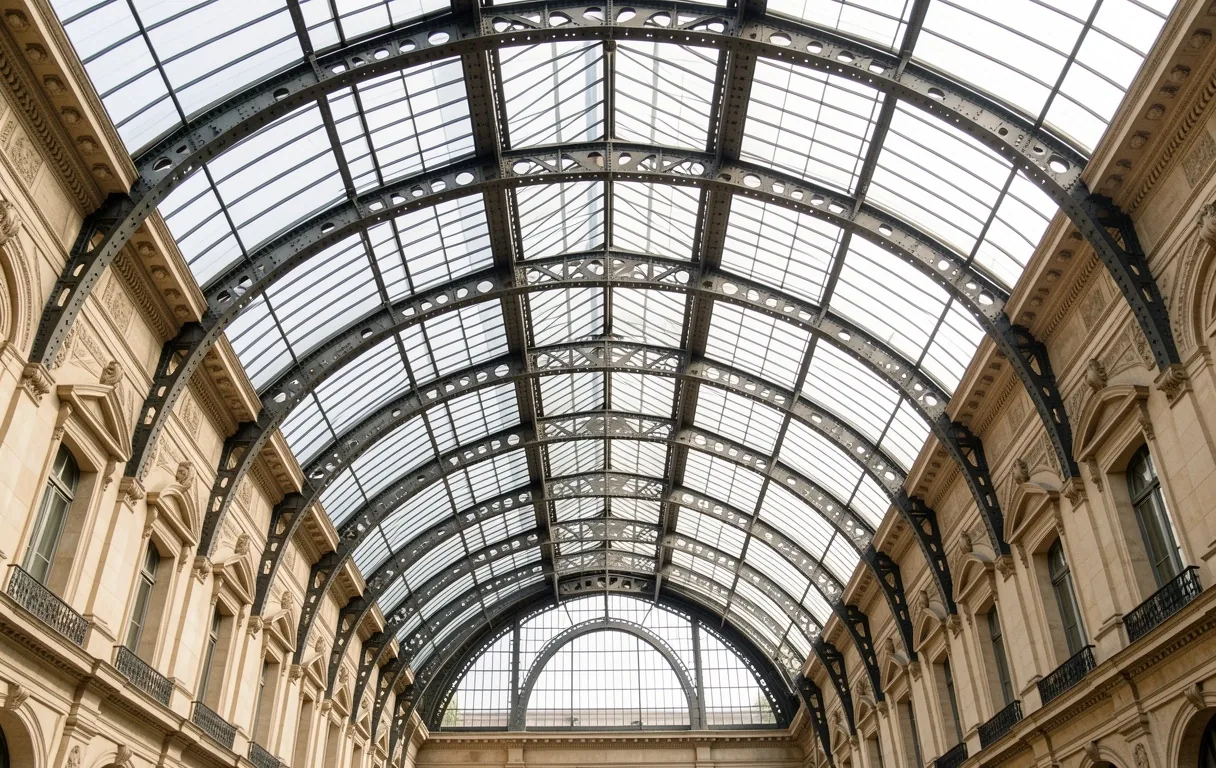
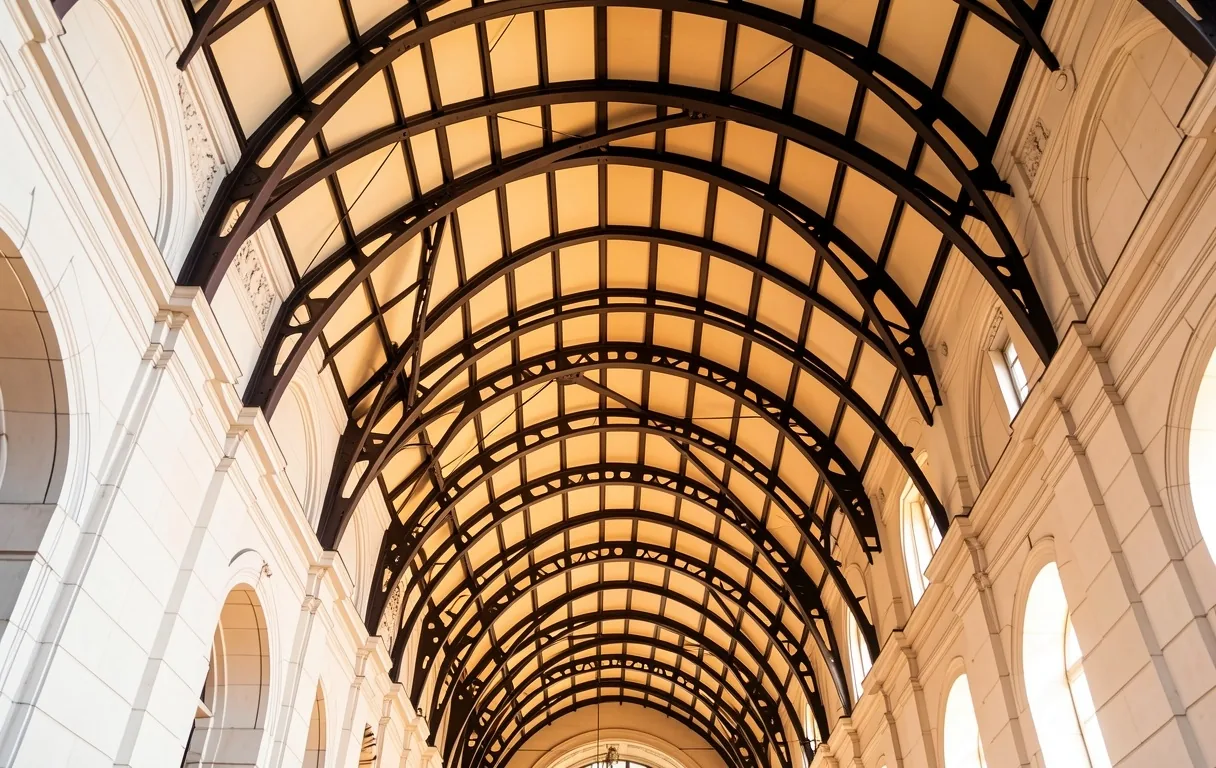
Unlike the Louvre’s fortress-like history, Orsay’s power lies in its industrial honesty. The massive iron structures and high glass ceilings provide the natural top-lighting that Impressionist works were actually painted in.
The 138-meter long nave retains the original railway station footprint, providing a rare sense of spatial scale in gallery design.
Monumental sculptures by Rodin and Claudel are positioned in the 'wells' of the nave to be viewed from multiple elevations.
Verifying the Visitor Experience
Our team reviewed the flow of the Level 5 Impressionist galleries during peak Tuesday morning hours. While the gallery is expansive, the bottlenecks around Van Gogh’s Starry Night and self-portraits are significant.
View Our Review Standards →Essential Checklist
- Reserve the 'Restaurant du Musée d'Orsay' for lunch (level 1) to dine under the historic frescoes.
- Start at the 5th floor and work downwards; it follows the chronological narrative more effectively.
- Baggage exceeds 56x45x25cm is strictly prohibited. Use lockers at nearby Gare Montparnasse if traveling.
Visitor Consensus
"The transition from the Louvre’s scale to Orsay’s intimacy makes the art feel accessible. The light on the top floor is purely magical."
— R. Beaumont, Art Historian
Addressing Logistics
Begin Your Curated Heritage Journey
Whether you seek the vibrant strokes of Van Gogh or the quiet majesty of the architectural nave, Musée d'Orsay awaits. Secure your archival entry today.
Explore Paris
Expert Resources
Editorial
Bilingual Archive
Curated by FrenchMuseums
27 Rue du Louvre, 75001 Paris
+33 1 40 20 88 13